
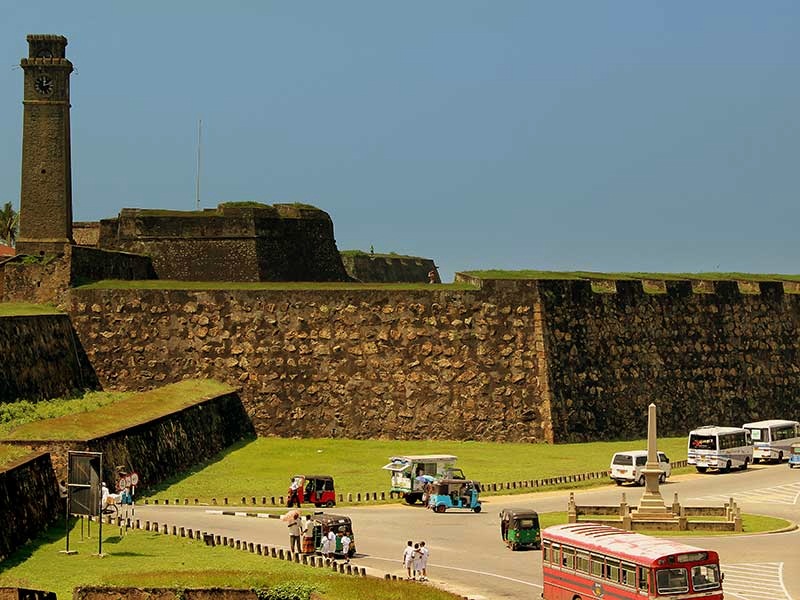
Being the spice paradise of the East, Sri Lanka was a main attraction in the trade routes. Many foreign voyagers were interested in this mysterious and exotic land filled with spices and elephants. The Portuguese captured the coastal areas of the island in 1505, and subsequently, the island fell into the hands of the Dutch, and until we obtained independence from the British in 1948, we were colonized by foreigners for several centuries.
We’ve compiled a list of must visit sites, for every architecture enthusiast.
- Colombo
The Commercial capital of the island is towering with modern buildings and skyscrapers. Yet, if you look close enough you will be able to see the remnants of the Dutch and British. The Dutch Hospital at Fort is now converted into a shopping precinct, with many outdoor dining spaces. The restored hospital is quite the sight. The Arcade independence precinct and the Colombo racecourse area are also restored buildings of the British era. Many buildings in Colombo project the Dutch architecture, of these the Wolfendhal Church and the Dutch period museum stand out, due to their architectural splendor.
- Galle
This picture perfect town in the Southern coast of the island is the best preserved town for Colonial architecture. The Galle Fort is now limited to the ruins of it’s foundation and the great ramparts. Yet, the clock tower and the cobbled streets, and the restored houses that are painted in white, provides a blast from the past as you walk down the streets. The lighthouse in Galle only adds to this picture perfect atmosphere.
- Negombo
Negombo lies not too far away from Colombo. The city has a colonial past as it was one of the major ports where Cinnamon trade was coordinated, even before the arrival of the Portuguese. The Dutch Fort’s been converted into a jail with passage of time, and only a few ramparts of the Fort remains. However, the landside of the Negombo town still displays a variety colonial architecture.
- Nuwara Eliya
Nuwara Eliya also termed as Little-England for obvious reasons, is the hill-country plantation grounds of the British. Many bungalows, the railway stations and the roads are remnants of the British era of Sri Lanka.
The Grand Hotel of Nuwara Eliya, was originally built as a Governor’s bungalow. The Hill Club in Nuwara Eliya originated as a planter’s club in the 1800s. The 100 year old, Colonial Post office is built according to the Tudor architecture style.
- Jaffna
The Jaffna Fort was erected by the Portuguese. And later, it was capture by the Dutch and expanded. The British used the Fort as a garrison until Ceylon gained independence.The Old Kaccheriya of Jaffna, is a great example of neo renaissance architecture. There are still remnants of British architecture, in the central town of Jaffna.
Though it is almost seventy years since we gained our independence, there are certain parts of the colonial culture that has been accepted into our lifestyles. The architecture still remains as souvenirs of the island’s past inhabitants. You can witness the impact that colonization had on Sri Lankan architecture by visiting any of the above places during your stay.